Category: Uncategorized

  • You asked ChatGPT before you came to me. Good.


    Nowadays many patients come to us with a ChatGPT diagnosis. I won’t say that is bad, because I use LLMs quite often in my own clinical practice. And I can see why you may feel like more of an expert on your illness than a psychiatrist who has just met you. You have lived with it for years. I have known you for forty minutes.

    So this is not a post telling you to stop. It is about what these tools do well, where they mislead you, and how to set them up so they work for you.

    Where a general LLM helps

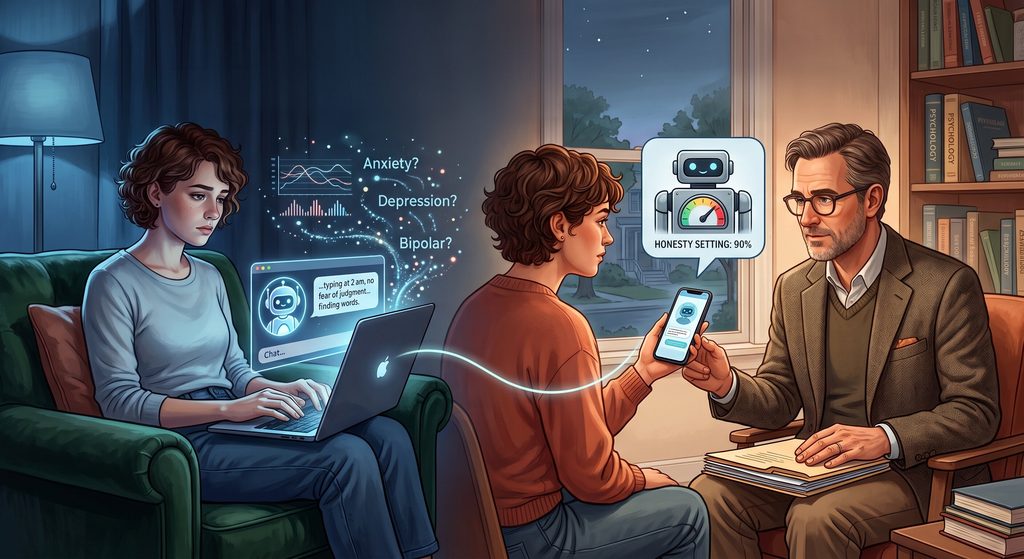
    The biggest help is in finding words. Many people know something is wrong for years but cannot describe it. Typing it out to a chatbot at 2 am, with no fear of judgment and no appointment needed, is often the first time the experience gets organised into a story.

    It is also a patient teacher. It will explain what a term on your prescription means, what a medicine is generally used for, and what the common side effects are, as many times as you ask and at whatever level you want. Most of us cannot do that in a busy OPD.

    It is also good at preparation. Ask it to turn your scattered history into a one-page timeline and a list of questions for your doctor, and your consultation becomes far more useful. It can help your family understand what you are going through, and it can help you practice skills like a thought record or a sleep routine between sessions.

    Where it falls short

    Because we have seen patients over many years, we read the output of an LLM differently from how you read it. To me it is a hypothesis. To you it can feel like a verdict.

    First, it only knows what you type. A large part of psychiatric assessment is what you do not say: how you speak, what you skip, and what your family noticed that you did not. In some conditions the awareness of being unwell is the very thing that is affected, and the chatbot gets the edited version.

    Second, symptoms are not diagnoses. Poor concentration, mood swings, and feeling empty or restless fit a dozen conditions as well as ordinary life. What separates them is duration, course, impairment, what else is going on in your body, and how common each condition actually is. A checklist match is where the diagnostic work starts, and the LLM often stops there.

    Third, it is built to be agreeable. If you ask “could this be ADHD?”, it will find reasons why it could. It follows your framing and rarely contradicts you, and that tendency is how it ends up at the wrong diagnosis.

    Fourth, it can be confidently wrong, and the answer can change when you reword the question. That may be tolerable for general information. For doses, drug interactions, or stopping a medicine, it is not.

    Finally, for some people the tool becomes part of the problem. If you have anxiety or OCD, asking the same question again and again for reassurance feeds the cycle. If you are prone to unusual beliefs, a machine that elaborates on whatever you bring is not your friend. And it is not a crisis service.

    How to make it work for you
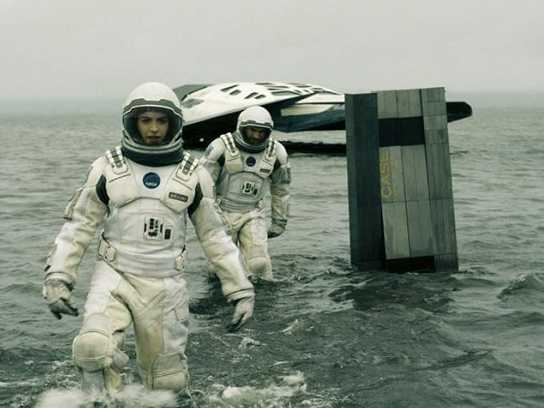
    Remember TARS from Interstellar? The robot had an honesty setting that the crew could adjust. An LLM is similar. Unless you tell it otherwise, it will mostly give you the answer you want to hear.

    I have set instructions for Claude to be brutally honest with me. Some of its responses make me pause, because no one, not even my close friends, would say those things to me for fear of hurting me. You can do the same in the custom instructions or settings of whichever tool you use.

    Something like:

    ” Do not just agree with me. Point out where I may be wrong, what I am leaving out, and what else could explain this. Tell me what would argue against my own conclusion. “

    A few more habits help. Ask it what else your symptoms could be and what a psychiatrist would want to rule out, instead of asking what you have. Give it the full picture, including sleep, alcohol and other substances, medical problems, and the details that do not fit your theory. Ask it what questions a doctor is likely to ask you, and bring the summary to your appointment. I would much rather read it than have you hide it.

    There are two cautions. An honest tone is not the same as a correct answer, because a blunt LLM can still be wrong. And TARS was set at 90 percent, not 100, because complete honesty is not always the safest thing for emotional beings. If you are in a fragile phase, brutal honesty from a machine in the middle of the night is not what you need. Lower the setting, or better, talk to a person.

    Do not start, stop or change a medicine on its advice. And think twice before typing your name and other identifying details into it.

    Use it like a well-read friend who has never met you, and remember that it cannot examine you or take responsibility for what happens to you.
  • Tech tips for medicos


    Part -2

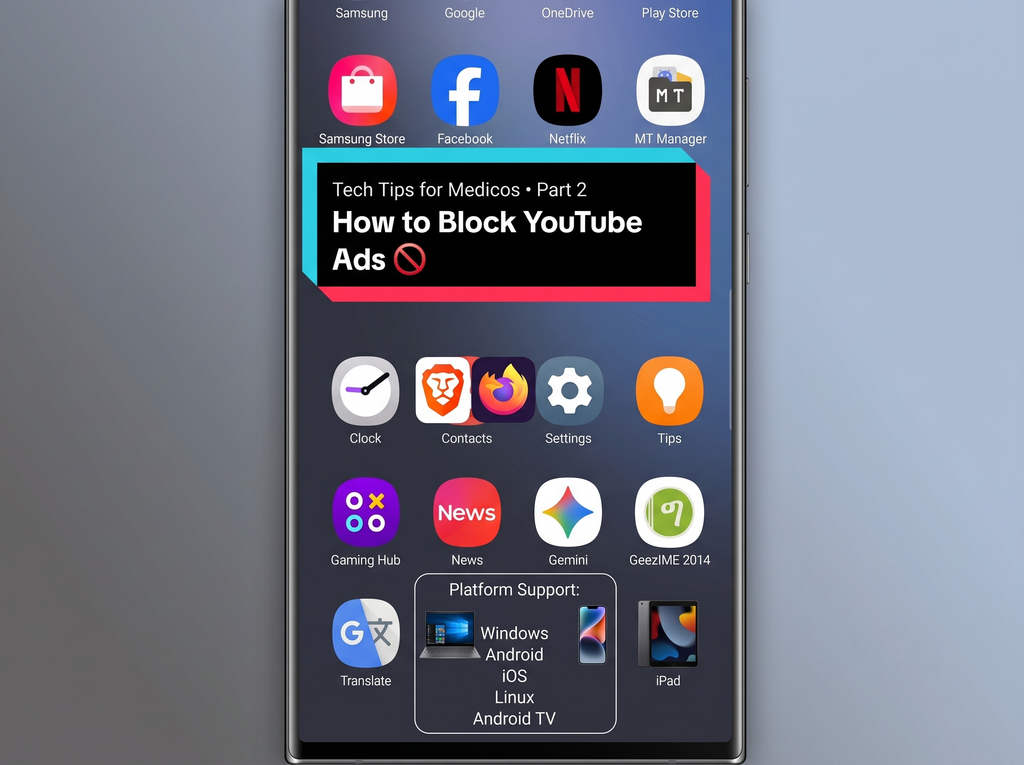
    How to block Youtube ads


    Youtube ads are really irritating isn’t it? Especially the non skippable ones. One thing you can use is to subscribe to premium. But you don’t really need to do that. It just takes few minutes depending on the platform. Let me explain how.


    Easiest way

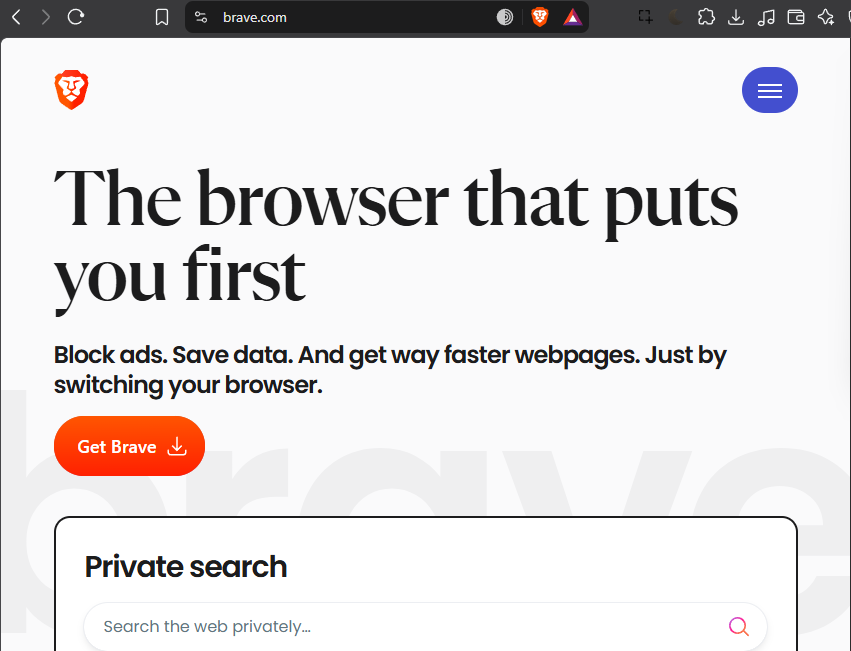
    For all platform Just install Brave Browser.

    It’s a browser based on chromium (Sort of like Google chrome). You can import your bookmarks, passwords etc. while you install Brave.

    Brave Automatically blocks Youtube ads in whatever platform you are using.

    Once you installed brave on one of your devices, and imported data from your old browser, you can sync the data across other devices. Here is a video on how to do it.


    Now lets see how to block the useless sponsored part from videos.

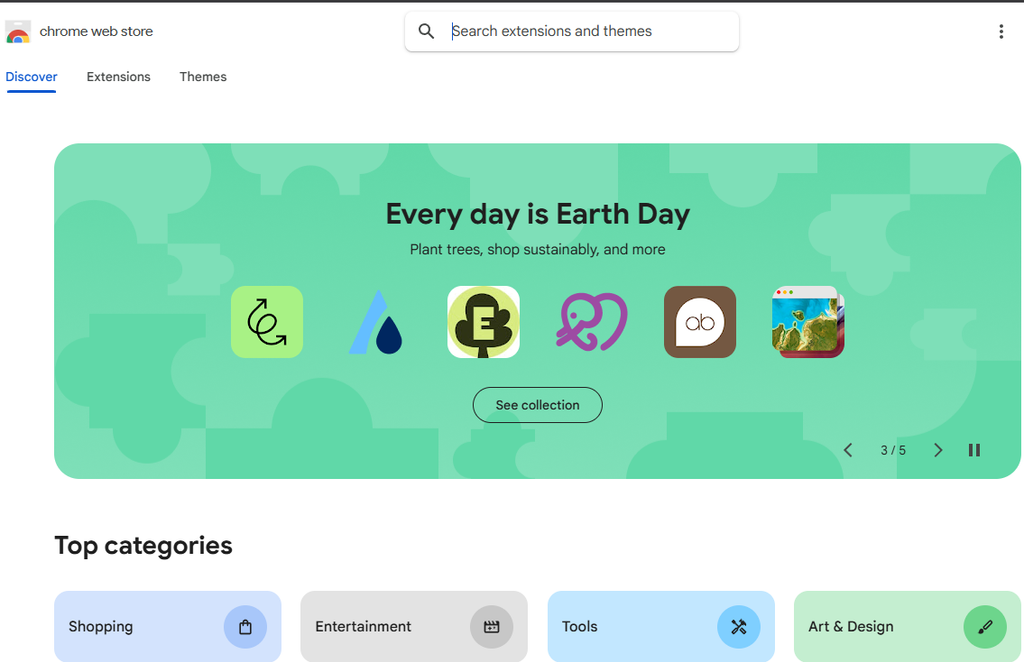
    There is a browser extension which can help you with that. You need to go to Brave browser, Settings – Extensions – Visit webstore.

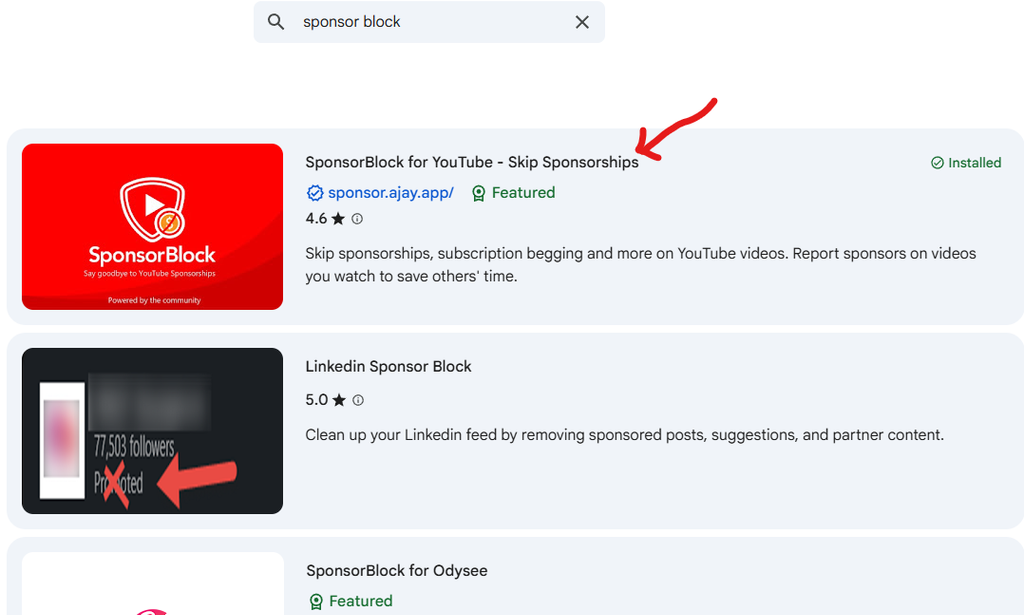
    Search for Sponsor Block

    — Add to Brave.

    Default options are enough for basic sponsor blocks.

    That’s it.


    For those who are willing to do a bit more.

    1. Install Firefox – install an extension called uBlock Origin.
    2. For android there is are modded version of Youtube with built in ad and sponsor blocks.
      I recommend using Morphe Youtube. Go to their Github Page. Install Morphe manager. Install MicroG-RE and Morphe youtube.

    For Android TV

    1. For android TV, you need to download an app called Smarttube. It’s obviously not there on playstore, so you need to download the apk file from their Github page.
    2. Now you need to transfer the apk file into your smart tv. There is a simple app for that, its called Send files to TV
    3. Learn how to send the apk files from our mobile devices to android TV. Here is a video.

    Once you you transfer the apk file, click on the downloaded file in the send files to tv app on your tv, and give permission to install from unknown sources.

    Then open Smarttube in your Android TV and login.
    That’s it.

  • Tech tips for medicos


    In this series I explain how to do some basic tweaks in our laptops/ mobiles / tablets, in order to make it more privacy oriented and ad free. These tips might be too obvious for those who are in tech, even I thought many of these are obvious until very recently I was made aware that many of us from the medical community are not aware these tools/ tweaks exists.


    Part 1

    Blocking ads system wide on Mobile phone / Tablets.

    This is not about the time where you see an add on Insta or Youtube when you talk about something or the youtube ads itself.

    This is about the ads you see inside the apps, banner ads, pop up ads, apps that appear when you try to close some apps etc.

    There are a few ways in which we can do this. I’ll just highlight one method which I have found very useful.

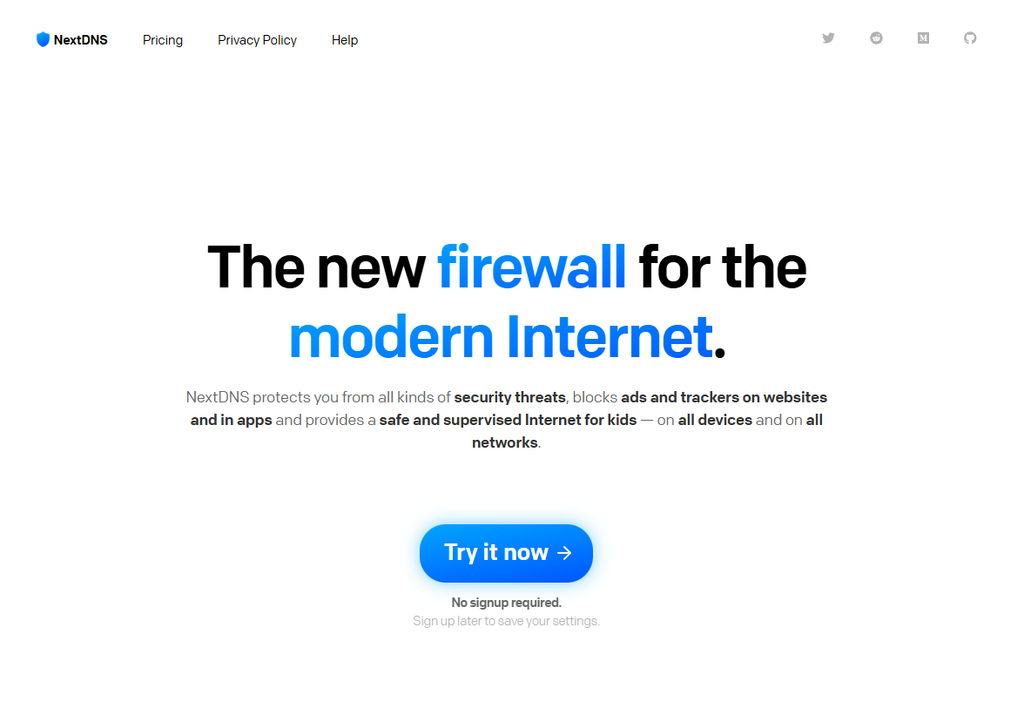
    1. Search for nextdns on your browser. This will lead you to nextdns.io a custom dns provider.
    2. Click on Try it now. There is an option to try the service without signing up, however for saving custom settings an account is required. (free tier is more than enough for one device)
    3. Signup with your email. (Don’t worry, they hardly send any Junk mails)

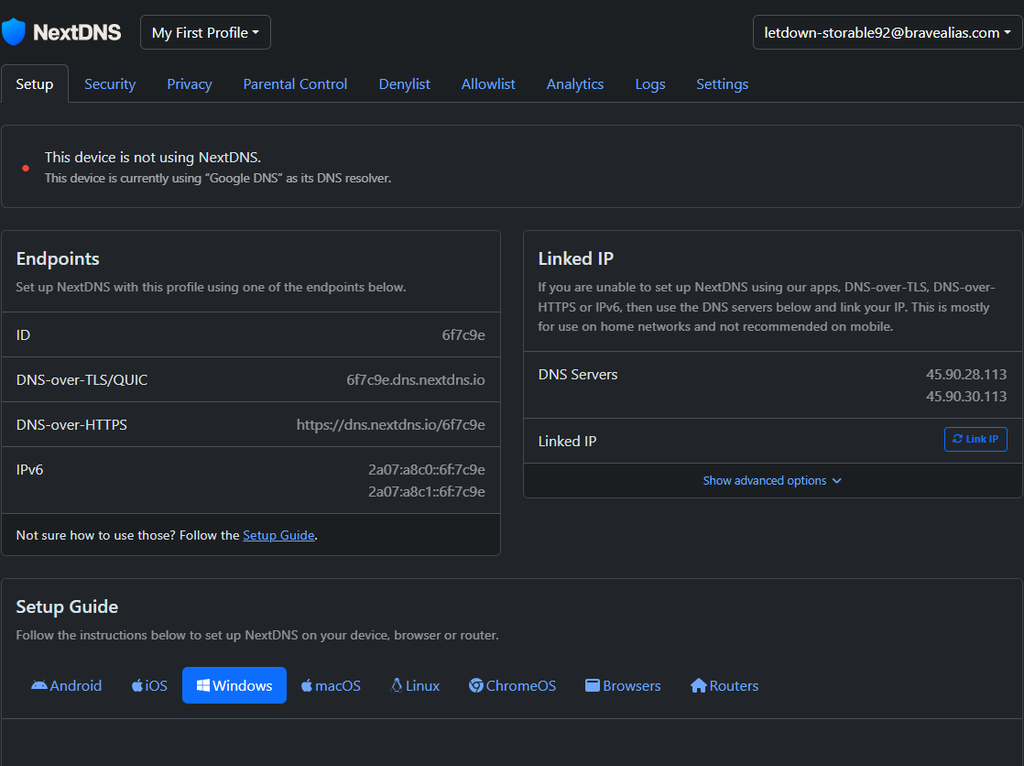
    4. It will show the DNS service you are using currently.


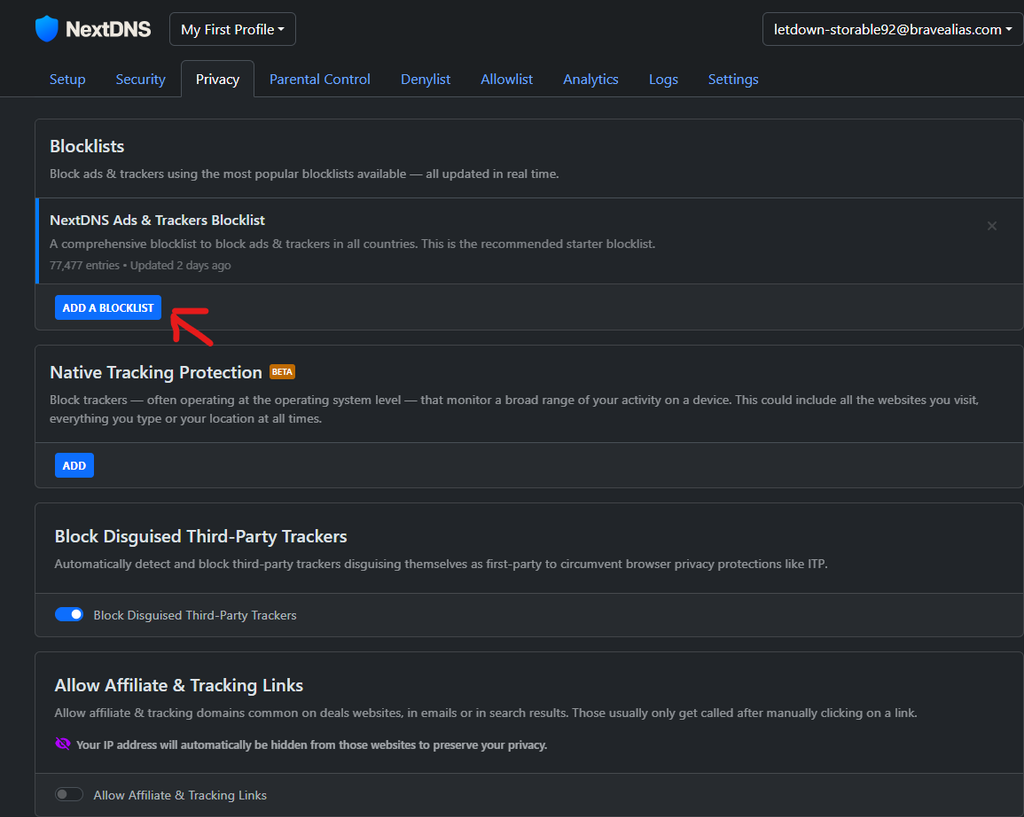
    5. Now go to Privacy tab . Nextdns automatically selects the NextDNS Ads & Trackers Blocklist as default. Which is a decent block list, however for better adblocking in mobile devices we need to enable few more blocklists.

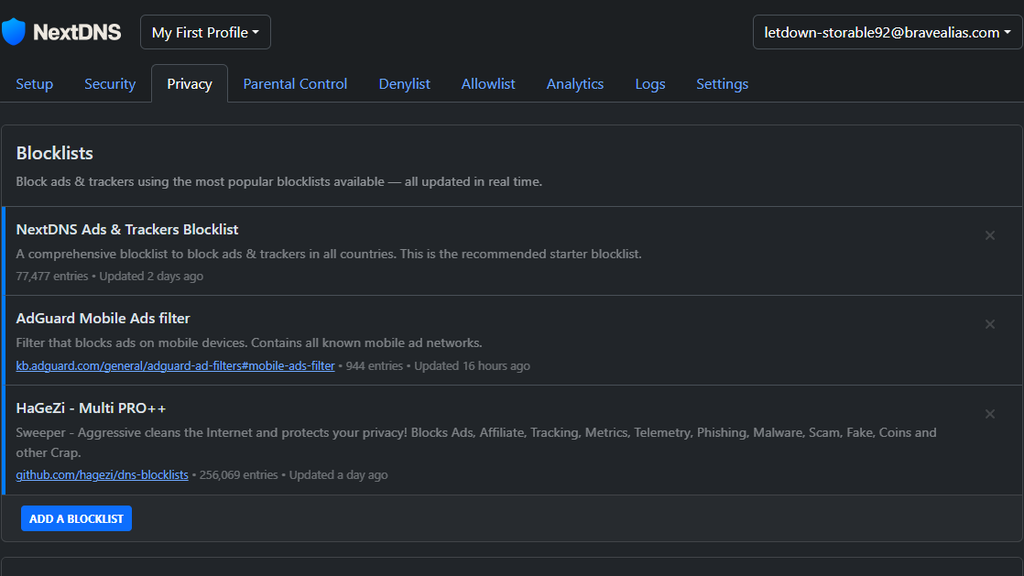
    6. Select Add a blocklist. in the list that pops up, add the following filters

    AdGuard Mobile Ads filter
    HaGeZi – Multi PRO++

    7. Now blocking system level ads, select Native tracking protection – add respective brands.

    8. That’s it. Basic adblocking setup is done. There are a few other options like specific content blocking, timeouts etc, which you can explore if you are interested.

    9. Now how to apply the settings to your device?

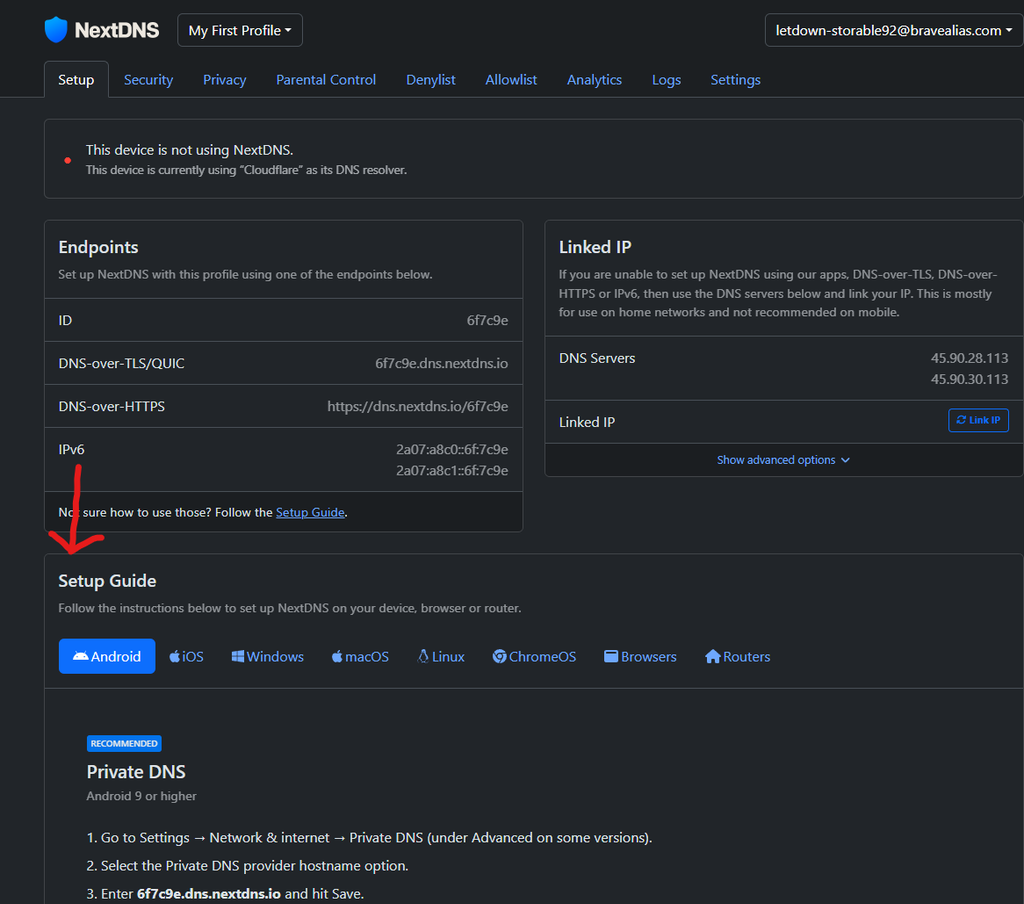
    Go back to the Set up tab, scroll down to find the Setup Guide

    Based on your device, detailed explanation on how to set up nextdns is given there.

    For Android

    1. Go to Settings → Network & internet → Private DNS
      or Go to Settings → Search dns → Private DNS
    2. Select the Private DNS provider hostname option.
    3. Enter XXXXX.dns.nextdns.io and hit Save the first part of the address will be different to different people. which you can just copy and paste from the above page.
    4. That’s it

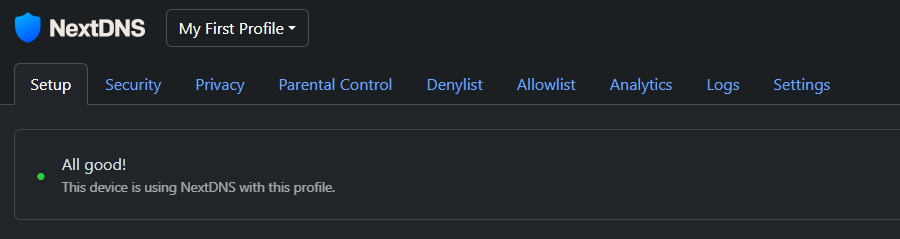
    Once you have setup correctly you’ll see the above screen.

  • Integrative Psychiatry- The Way Forward?


    Originally posted on 28 September 2022

    When I started my Psychiatry residency, a lot of things didn’t make any sense to me. We used to have case conferences where one of the residents presented a detailed workup of a patient. Discussions will go on. A big chunk of the discussions used to be about nailing the right diagnosis in accordance with ICD 10 or DSM 5. The funny part was each consultant used to have a different diagnosis for the same patient. When it comes to treatment these diagnostic labels didn’t really matter. We always used to treat the symptoms. My ADHD brain couldn’t handle this and in one of those case conferences I blurted out what’s the point of all this if we are ultimately treating the symptoms. Then I was made aware by the seniors and consultants that “ICD 10 is the Bible” of psychiatry and there is no way I’m gonna clear this residency without following that path.

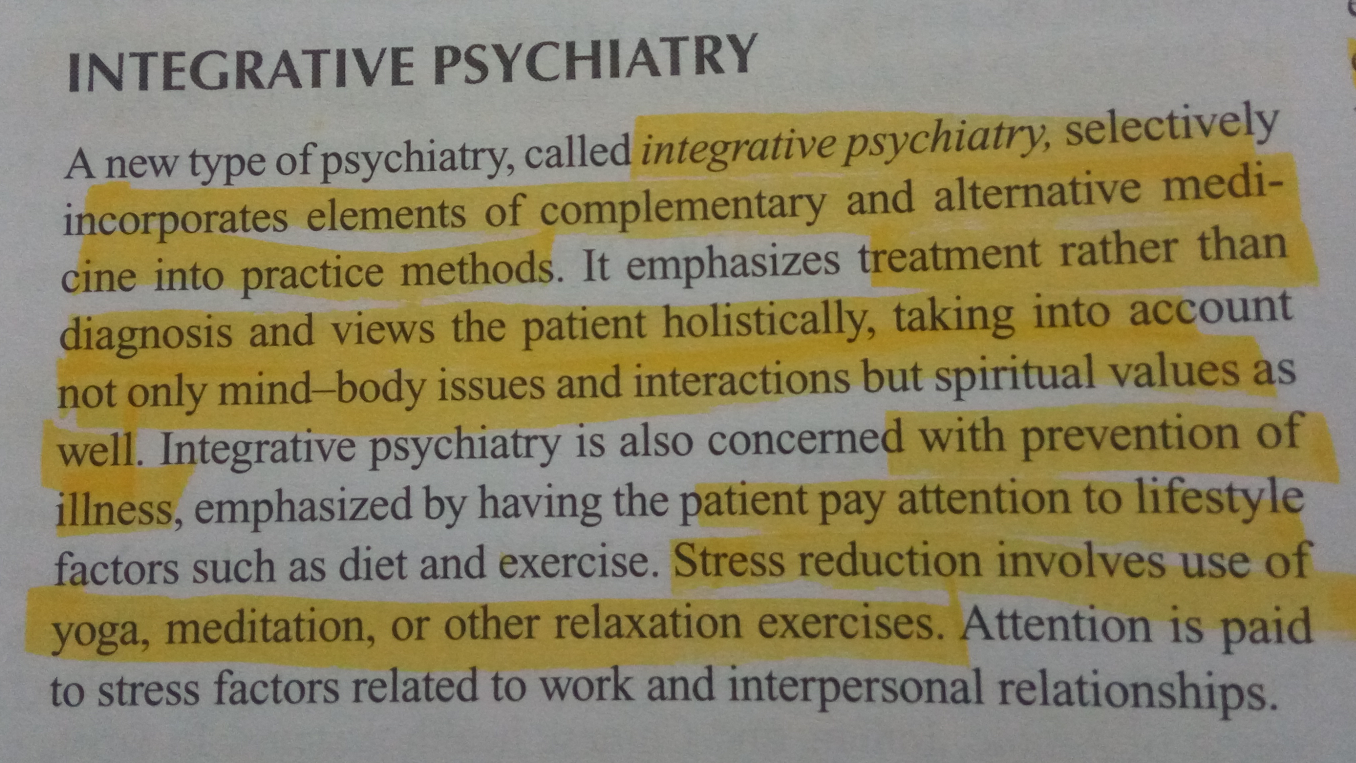
    from Kaplan & Sadock’s Synopsis of Psychiatry


    Later in my residency, I came across a small paragraph in Kaplan & Sadock’s Synopsis of Psychiatry ( which is a standard textbook we study during our Psychiatry residency.) It was about Integrative Psychiatry which highlighted the importance of treating the patient holistically rather than giving just diagnostic labels.

    We have a hostile approach towards medical practitioners from different disciplines in Kerala. That goes both ways. We have psychiatry residents groups where if you say anything about alternative medicine you’ll get bashed. But at the same time, “Cure” is something we don’t talk about in psychiatry, Especially with regard to diseases that belong to the psychotic spectrum. It’s understandable why patients look for alternative options. The issue here is many practitioners from other disciplines whom patients go to don’t have a good understanding of psychiatric conditions. Many of them go in the line of Allopathic medicines are bad, it has side effects, you’ll become a zombie, Stop using those and we will give you our medications which don’t have any “Side effects”. Then patients have to choose between 2 options. Which most often results in patients having another problematic episode.

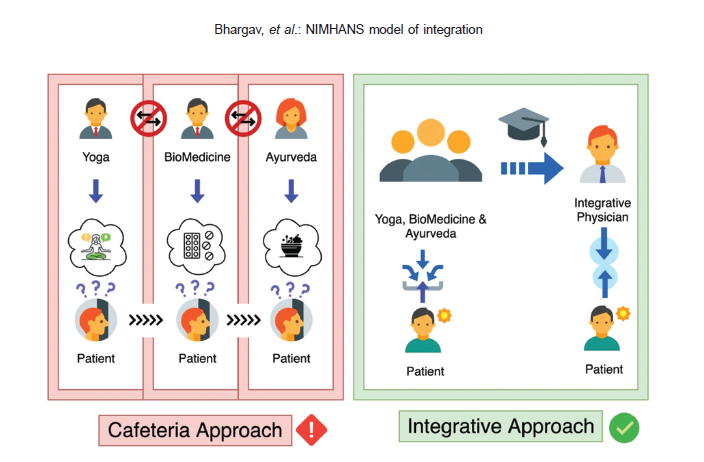
    The idea of an Integrative Physician, someone who knows the limitations of their basic disciplines with a fair understanding of treatment options and the philosophy of other disciplines is the need of the hour. This is what The NIMHANS model of Integrative medicine is about.

    I was lucky enough to get Post doctoral fellowship in Integrative Psychiatry at NIMHANS. Being an apex institute of mental health and neurosciences in India, the focus is given to integrative management of psychiatric and neurological diseases. We have an Integrative medicine OPD where renowned physicians from Modern medicine, Ayurveda, Yoga, and Naturopathy sit together and see the patients. They share their understanding of the patient’s conditions in their respective specialties. Together they propose an integrative management plan for the patients. I was surprised to see experienced physicians from other disciplines telling patients allopathic medicines are needed since they will help with managing the acute situations that patients came with. In the same way, senior psychiatrists were recommending patients lifestyle modifications, Yoga, and Ayurvedic treatment methods to manage the conditions in the long term. Being in this department for 3 months I have seen patients getting benefited from Yoga and Ayurvedic treatment methods, which they wouldn’t have if they have opted for just one of these disciplines.

    “A shift from this-or-that to this-and-that is what integrative approach is about”

    B.Holla et.al 2021

    One of the main challenges I have noticed in implementing this sort of setting in Kerala was the tendency to associate ancient Indian practices like Ayurveda and Yoga with religion, political party, and nationalism. NIMHANS model has done a good job in decoupling Medicinal aspects of these disciplines from the whole political scene. State-of-the-art research done here on the Integrative approach gives the much sought scientific evidence.

  • Addiction

    Originally written on 24 October 2021


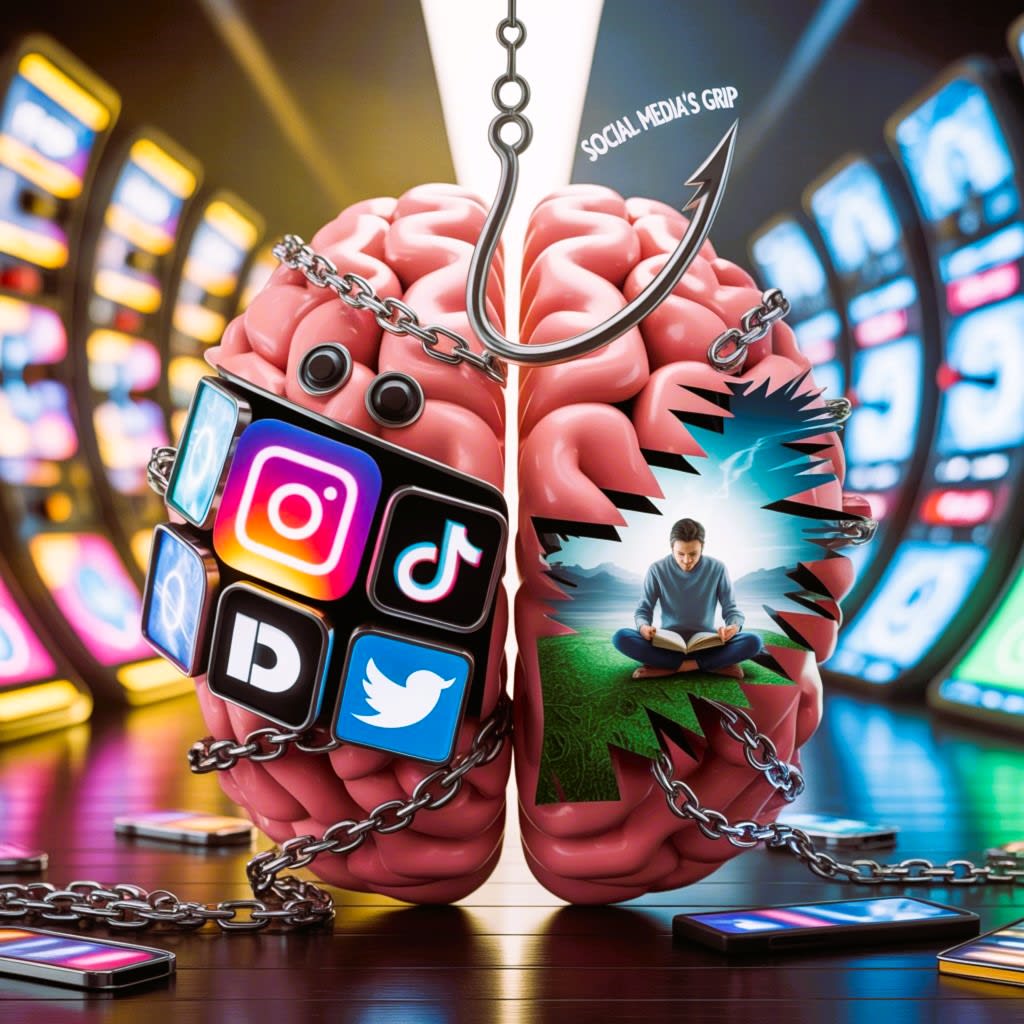
    The social media dopamine trap


    So this is how it works. You went for a trip, or you went out with friends. You took some pictures, some of which you took in order to remember the good times and some others just to show off to the world that you have done something cool. You come back home, relax and in a while you will be back to where you were before. Often alone, frustrated, sometimes more irritable than usual. Because wherever you go, what ever you do, you have to wake up tomorrow morning and get back to the same old life. There’s no escape from that.

    Then you take out your lifeline. Your pocket buddy. You go to Instagram or Facebook or Whatsapp or whatever means to connect to the virtual world. You take those pictures. You start editing. Some familiar tweaks and your usual mountain/beach/sunrise/sunset/macro/party pics will look fantastic. Then you come up with some quotes those go with that. Or you search for some cool quotes. You find some popular hashtags to add. You tag all of your friends/pages and post.

    Then you wait . . . .

    There comes the magic sound. Dingggg!!!!

    You got a new notification. Someone liked your photo. Someone else left some comments. You got that dopamine surge. The same high a substance dependent person gets when they use drugs. The same brain circuits. The same neuro transmitters.

    Once the dopamine kicks in, you feel better. You feel connected. All of a sudden your life is interesting. Attention is the ultimate currency. Those likes, shares and comments tend to fill the void. You find yourself immersed in that alternate reality. It’s nice. It’s all rainbows and unicorns. You want to go there again.

    What a wonderful world . . !


    Disclaimer – I’m not suggesting I’m immune to this or it’s wrong. This is merely an observation/intellectual masturbation. 😂